Every piece of technology in this practice is here because it improves something specific about your care, whether that's catching a problem earlier, planning a procedure more precisely, or completing your treatment in fewer visits with less discomfort. Investing in the right technology is, in the most direct sense, investing in your health, comfort, and overall well-being.
At the Forefront of Dental Technology for Nearly 50 Years
Dr. Thomas W. Kauffman has practiced dentistry in Atlanta since 1977, and for nearly five decades, he has made a habit of adopting new technology as soon as it proves itself in the hands of skilled clinicians. He was a beta tester for Perimetrics InnerView®. He is one of only 14 dentists and dental facilities in the US certified in cone beam imaging. He was a featured presenter at the national CEREC Scientific Symposium. That track record reflects a simple belief: better tools lead to better outcomes.
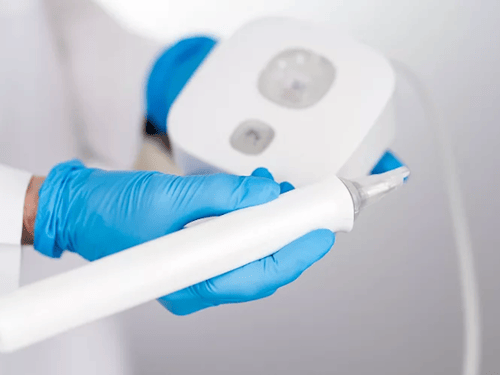
Innerview® Oral Health Tracking
InnerView® is a diagnostic device that measures the structural integrity inside a tooth or implant, something a visual exam or standard x-ray cannot fully capture. Using gentle micro-taps and sensor data, it generates an objective reading of internal stability in about three seconds per tooth.
Dr. Kauffman uses InnerView during routine exams, implant monitoring, and treatment planning. For you, it means structural problems like cracks or implant instability can be caught early, often before you feel any pain.
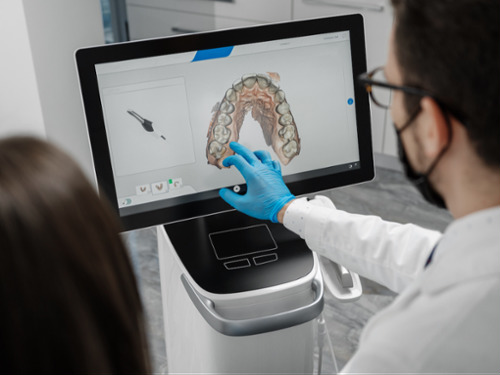
Digital Impressions
Digital impressions use a handheld intraoral scanner to capture an exact 3-D model of your teeth in seconds, replacing the messy physical molds used in traditional impressions. Dr. Kauffman uses them for crowns, veneers, and implant planning. For you, this means a faster, more comfortable experience with no gag-inducing trays, and a more precise fit for whatever restoration is being made from that scan.
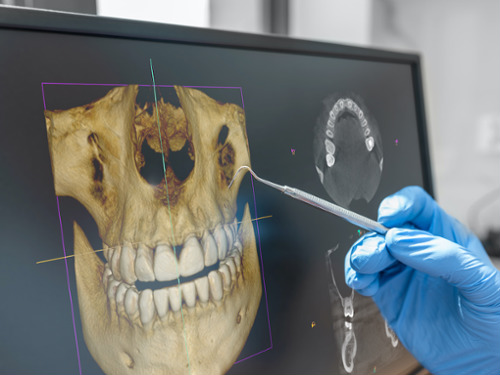
CBCT Cone Beam Technology
CBCT is an ultra-low-dose 3-D imaging system that captures a detailed view of your jaw, teeth, sinuses, and surrounding bone. Dr. Kauffman uses it to plan dental implants, evaluate bone volume, and identify conditions that a standard 2-D x-ray would miss.
For our patients, this means more precise surgical planning, fewer surprises during treatment, and the ability to catch issues like sinus disease or abnormalities early, before they become bigger problems.
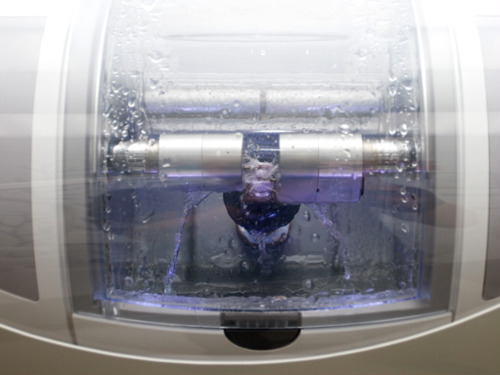
CEREC® Same-Day Crowns
CEREC technology allows Dr. Kauffman to design, mill, and place a custom ceramic crown or restoration during a single appointment using CAD/CAM software and an in-office milling unit. We use it for same-day crowns as well as other restorative work. Using this process, we eliminate temporary restorations, second appointments, and second round of anesthesia. You walk out the same day with your permanent restoration already in place.
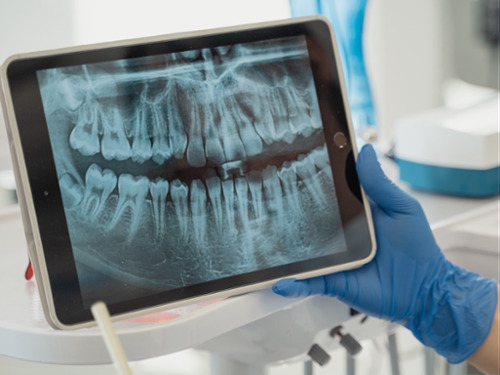
Panoramic X-Rays
A panoramic x-ray captures a single, wide image of your entire mouth, including all your teeth, upper and lower jaw, and sinuses, in one scan. Dr. Kauffman uses it for general evaluations, wisdom teeth assessment, and treatment planning where a broad view is helpful. The benefit to our patients is a faster, more comfortable scan than multiple individual x-rays, with a wide-angle picture of your oral health in a single image.
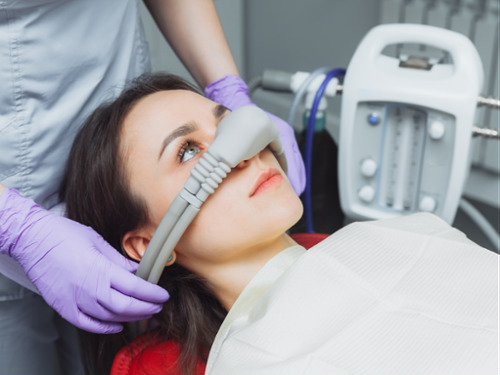
Nitrous Oxide or "Laughing Gas"
Nitrous oxide, also known as laughing gas, is a mild sedative delivered through a mask over the nose to help you relax during treatment. Dr. Kauffman offers it for patients with mild dental anxiety or those who want a quick, comfortable way to feel more at ease. For you, using nitrous results in a more comfortable visit with effects that wear off quickly, so you can drive yourself home afterward.
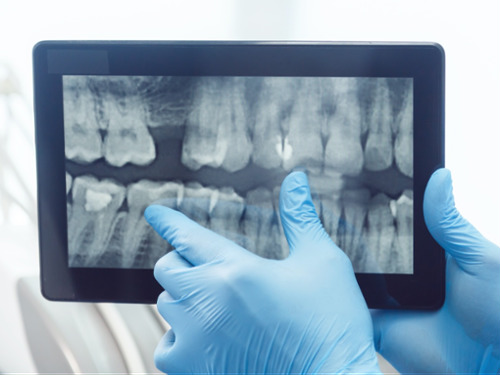
Digital X-Rays & Sensors
Digital x-rays use electronic sensors instead of traditional film to capture images of your teeth that appear on a screen in moments. Dr. Kauffman uses them for routine exams, cavity detection, and monitoring changes over time. The benefits to our patients include significantly less radiation exposure than traditional film x-rays, faster results during your appointment, and the ability to see exactly what Dr. Kauffman sees on screen.
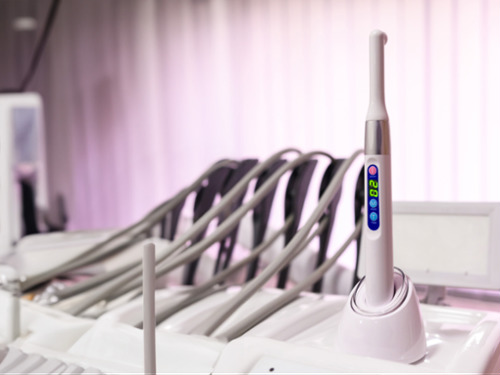
Laser Cavity Detection
Laser cavity detection uses light to identify early signs of decay beneath the tooth surface, often before a cavity is visible to the eye or shows up on an x-ray. Dr. Kauffman uses it during routine exams as an extra layer of screening. This capability allows us to catch and treat decay while it's still small, which often means simpler, less invasive treatment and lower cost.
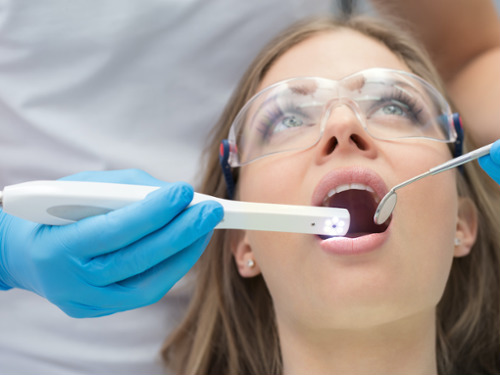
Intraoral Cameras
An intraoral camera is a small, pen-sized camera that captures close-up, magnified images of your teeth and gums in real time. Dr. Kauffman uses it during exams to document conditions and show you exactly what he's seeing. This technology benefits you because it means you can see what Dr. Kauffman sees on a screen, making it easier to understand your own oral health and the reasoning behind any treatment he recommends.
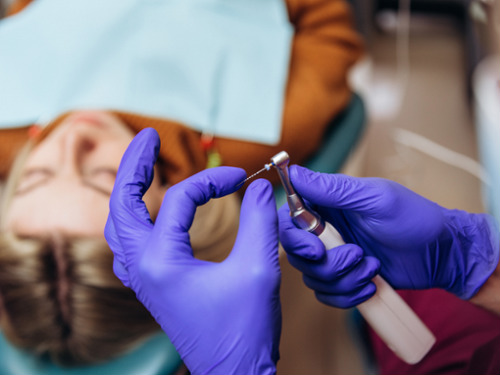
Rotary Endodontics
Rotary endodontics uses a motorized, flexible instrument to clean and shape the inside of a tooth's root canals during root canal therapy, rather than the manual hand files used traditionally. Dr. Kauffman uses the technology to perform root canal treatment more efficiently and with greater precision. This approach often means a faster procedure, more thorough cleaning of the canal, and a more comfortable overall experience.
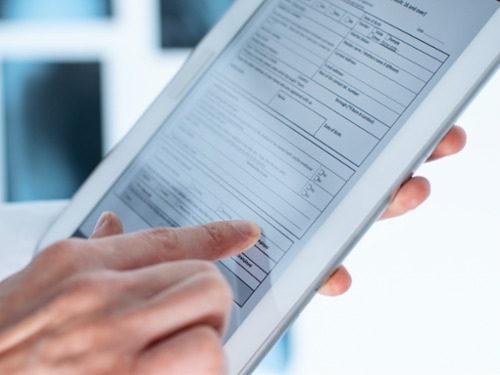
Digital Records
Digital records store your x-rays, treatment history, and clinical notes electronically rather than on paper. Dr. Kauffman uses them to track your oral health over time and quickly reference past treatment when planning your care. Storing your information this way results in faster check-ins, fewer repeated forms, and a complete, accurate history that helps Dr. Kauffman make better-informed decisions about your treatment at every visit.