Tooth Extractions
When Tooth Removal Is the Best Option

Our safe sedation dentistry options make tooth extraction less stressful than you might expect.

Tooth Extractions | Dentist

Tooth Extraction

No one wants to hear they need a tooth extracted. Whenever possible, Dr. Thomas W. Kauffman works to preserve natural teeth through preventive and restorative care. However, there are situations where removing a damaged, infected, or impacted tooth is the healthiest choice for protecting your long-term oral health.

Dr. Kauffman provides both simple and surgical tooth extractions at our downtown Atlanta dental office. Using advanced diagnostics and personalized treatment planning, he carefully evaluates each situation and recommends extraction only when it is truly in your best interest.

If you have a painful tooth, infection, impacted wisdom tooth, or another dental concern, call us at (404) 524-1981 to schedule an evaluation.

Comfortable Treatment with Sedation Dentistry

Many people feel nervous when they hear they need a tooth extracted. Others may need multiple extractions, wisdom tooth removal, or additional restorative treatment that makes the procedure feel overwhelming.

Dr. Kauffman offers nitrous oxide and has advanced training in IV and conscious sedation, allowing him to provide a more relaxed treatment experience right here in our Atlanta dental office.

Sedation can help reduce anxiety, increase comfort, and make lengthy procedures feel much shorter. For some patients, it also allows us to complete more treatment in fewer visits.

Our Team

  •  Thomas W. Kauffman DDS, PC

    Thomas W. Kauffman DDS, PC

    Dr. Kauffman’s foundation in dentistry is built on a rigorous and distinguished educational background.

    He earned his undergraduate degree at North Central College before going on to complete his dental degree at Loyola University School of Dentistry in Chicago, Illinois, one of the most respected dental programs in the country. Following graduation, Dr. Kauffman completed a comprehensive General Practice Residency (GPR) at Reynolds Army Hospital in Fort Sill, Oklahoma, where he gained advanced clinical experience across a broad range of dental disciplines.

    Dr. Kauffman then honorably served his country on active duty ...

    View More

When Do You Recommend Tooth Extraction?

Dr. Kauffman may recommend removing a tooth when we can no longer predictably save it or when keeping it could affect your overall oral health.

Common situations where extraction is the right approach include:

  • Severe tooth decay we can't repair with a filling, crown, or root canal
  • Advanced gum disease that has loosened the tooth
  • Impacted wisdom teeth are causing pain or crowding
  • Dental infections that threaten surrounding teeth or bone
  • Fractured teeth that we cannot restore
  • Orthodontic treatment that requires additional space in the jaw
  • Preparation for dentures or other restorative treatment

During your examination, Dr. Kauffman will review all available treatment options and explain why extraction may be recommended in your specific situation.

Types of Tooth Extractions We Perform

Simple Tooth Extractions

A simple extraction is performed when the tooth is fully visible above the gum line and can be removed using specialized instruments. Local anesthesia keeps the area comfortable throughout the procedure, and recovery is typically straightforward.

Surgical Tooth Extractions

A surgical extraction may be necessary when a tooth is impacted, broken below the gum line, or difficult to access. In these situations, Dr. Kauffman may need to create a small opening in the gum tissue to remove the tooth safely.

Wisdom Teeth Removal

Wisdom teeth are the final set of molars to develop and often do not have enough room to erupt properly. When this happens, they may become impacted beneath the gums or emerge only partially.

Impacted wisdom teeth can contribute to:

  • Pain and swelling
  • Infection
  • Damage to neighboring teeth
  • Gum disease
  • Difficulty cleaning the area properly
  • Crowding of other teeth

Removing problematic wisdom teeth can help prevent future complications and protect your long-term oral health.

Preparation for Tooth Extraction

Before recommending an extraction, Dr. Kauffman performs a thorough evaluation that may include digital x-rays or CBCT cone beam imaging. These diagnostic tools provide detailed information about the tooth, surrounding bone, and nearby anatomical structures.

This planning process allows him to do the following:

  • Confirm that extraction is necessary
  • Identify potential complications
  • Determine whether sedation may be beneficial
  • Develop a treatment plan tailored to your needs

Our team will also review your medical history, medications, and any questions you may have before treatment begins.

Tooth Extractions Technology

Panoramic X-Rays

Panoramic X-Rays

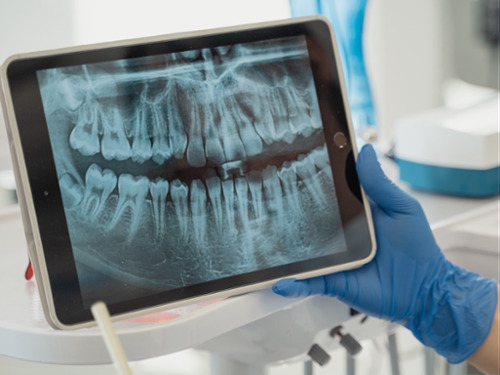
A panoramic x-ray captures a single, wide image of your entire mouth, including all your teeth, upper and lower jaw, and sinuses, in one scan. Dr. Kauffman uses it for general evaluations, wisdom teeth assessment, and treatment planning where a broad view is helpful. The benefit to our patients is a faster, more comfortable scan than multiple individual x-rays, with a wide-angle picture of your oral health in a single image.

What to Expect During Tooth Extraction

The exact process depends on whether you require a simple or surgical extraction.

After numbing the area, Dr. Kauffman carefully removes the tooth while protecting the surrounding tissues. If necessary, the extraction site may be cleaned and sutured to support healing.

For patients who feel anxious about treatment or require multiple procedures, sedation options may allow us to complete treatment more comfortably and efficiently.

Tooth Extraction Aftercare and Blood Clot Management

After tooth extraction, following proper aftercare instructions is vital to promote healing and prevent complications. Here are some general guidelines for tooth extraction aftercare:

  • Bite down on a gauze pad. — Bite gently on a gauze pad for 30 to 45 minutes after the extraction to help stop bleeding. Replace the gauze as needed.
  • Avoid strenuous activities. — Avoid any strenuous activities, such as exercise, for at least 24 hours after the extraction to help prevent bleeding or other complications from occurring.
  • Take pain relievers. — Take over-the-counter pain relievers or medications prescribed by Dr. Kauffman to help manage any pain, discomfort, and swelling.
  • Apply ice. — Ice the affected area for 10 to 20 minutes at a time to help reduce swelling.
  • Rest.  Rest for the first 24 hours after the extraction and avoid any activities that could dislodge the blood clot from the tooth socket.
  • Avoid smoking. — Avoid smoking or using tobacco products for at least 48 hours after the extraction, as they can slow the healing process.
  • Eat soft foods. — Eat soft foods, such as soup, yogurt, or mashed potatoes, for the first few days after the extraction. Avoid hard, crunchy, or sticky foods that could irritate the extraction site.
  • Rinse with salt water. — Rinse your mouth with salt water (1/2 teaspoon of salt in 8 ounces of warm water) 24 hours after the extraction and continue two to three times a day for the next few days. This rinse can promote healing and reduce the risk of infection.
  • Brush carefully. — Brush your teeth carefully, avoiding the extraction site, for the first few days after the extraction.
  • Attend follow-up appointments. — Attend follow-up appointments with your dentist or oral surgeon to ensure proper healing and monitor for any complications.

Following these aftercare instructions can help ensure a smooth recovery after tooth extraction. If you experience severe pain or any unusual symptoms or complications, contact our dentist immediately

Testimonial - Dr. Kauffman Testimonial - Todd

Why Choose Dr. Kauffman for Tooth Exraction

Dr. Kauffman has practiced dentistry since 1977 and is committed to providing thoughtful, conservative treatment recommendations. He understands that hearing you need an extraction can be stressful, which is why he takes the time to explain your options and answer your questions before moving forward.

Using advanced diagnostics, careful treatment planning, and sedation options when appropriate, Dr. Kauffman strives to make the extraction process as comfortable and predictable as possible. Whether you need a simple extraction, wisdom tooth removal, or treatment as part of a larger restorative plan, our team is here to help you move forward with confidence.

Risks and Complications of Tooth Extraction

While tooth extractions are generally safe and routine procedures, there are potential risks and complications to keep in mind. These may include:

  • Bleeding
  • Infection
  • Nerve damage
  • Dry socket (a painful condition that can occur when the blood clot in the socket is dislodged)
  • Damage to surrounding teeth or tissues
  • Reactions to an anesthetic

Discuss any concerns with our Atlanta dentist before the procedure, and carefully follow aftercare instructions to help minimize your risk of complications after getting a tooth pulled.

Frequently Asked Questions

Is tooth extraction painful?

Modern tooth extractions are typically very comfortable thanks to local anesthesia and sedation options. While some soreness is expected afterward, most patients manage it well with prescribed or over-the-counter medications.

How long does it take to recover from a tooth extraction?

Most of our patients return to normal activities within a few days. Healing times vary depending on the type of extraction and your body's natural healing response.

Can I eat after a tooth extraction?

Yes. We generally recommend soft foods during the first few days and avoiding hard, crunchy, or sticky foods until the area has healed.

Do I need to replace a missing tooth after extraction?

In many cases, yes. Replacing a missing tooth can help prevent shifting teeth, bite changes, and bone loss. Depending on your situation, Dr. Kauffman may recommend a dental implant, bridge, or denture.

How much does a tooth extraction cost?

The cost of treatment depends on the complexity of the extraction and whether additional procedures are needed. For a more detailed breakdown, visit our Tooth Extraction Cost Guide or schedule a consultation for a personalized estimate.

Schedule Your Tooth Extraction Consultation in Atlanta

If you have a painful, damaged, infected, or impacted tooth, we're here to help. Dr. Kauffman will evaluate your situation, explain your options, and create a treatment plan designed around your needs and comfort.

Call (404) 524-1981 today to schedule your consultation at our downtown Atlanta dental office.