
Implant-Supported Bridges
Customized for Your Needs

Implant bridges replace missing teeth for a stable, lasting solution.

Implant-Supported Bridges | Dentist

Dental Implant Bridges

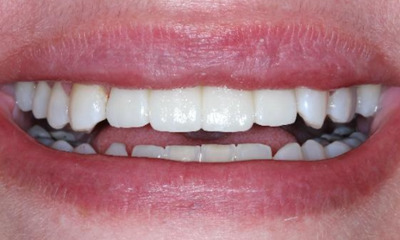
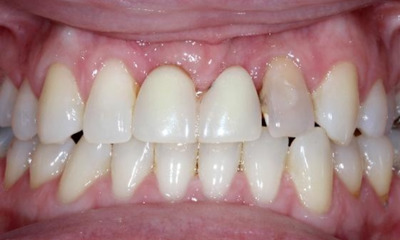
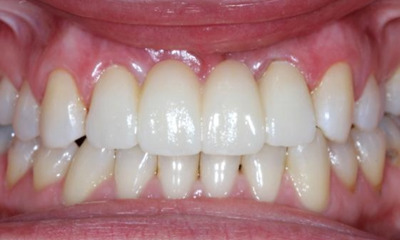
Implant-supported bridges are restorations that use dental implants to support a dental bridge. A dental bridge is a prosthetic that replaces one or more lost teeth. The dental bridge is anchored to the jawbone using dental implant posts.

A dental implant bridge has four parts:

  1. Titanium Posts — These are the base of your restoration. They’re surgically placed into the jawbone and act as a natural tooth root, stimulating the jawbone.
  2. Abutment — A small metal connector is attached to the implant posts.
  3. Porcelain Dental Crown — Dental crowns are customized restorations placed over the abutments to give you a natural-looking smile.
  4. Pontic Teeth — The prosthetic teeth are cemented to the neighboring porcelain dental crowns.

To learn more about implant-supported bridges, contact our Atlanta dentist today at (404) 524-1981 to schedule an appointment.

Our Team

  •  Thomas W. Kauffman DDS, PC

    Thomas W. Kauffman DDS, PC

    Dr. Kauffman’s foundation in dentistry is built on a rigorous and distinguished educational background.

    He earned his undergraduate degree at North Central College before going on to complete his dental degree at Loyola University School of Dentistry in Chicago, Illinois, one of the most respected dental programs in the country. Following graduation, Dr. Kauffman completed a comprehensive General Practice Residency (GPR) at Reynolds Army Hospital in Fort Sill, Oklahoma, where he gained advanced clinical experience across a broad range of dental disciplines.

    Dr. Kauffman then honorably served his country on active duty ...

    View More

Types of Implant Bridges

There are various implant-supported restorations, including:

  • Fixed implant-supported bridge: A type of bridge that’s permanently attached to dental implants. It can’t be removed by the patient and is designed to function and feel like natural teeth.
  • Removable implant-supported bridge: This type of dental bridge is designed to be removed by the patient for cleaning and maintenance. It’s attached to the implants with connectors that can be easily unscrewed.
  • Full arch implant-supported bridge: This type of bridge is used to replace an entire arch of missing teeth in the upper and lower jaw. It’s anchored to several dental implants and is a good option for patients who have lost most or all of their teeth in one arch.
  • Partial arch implant-supported bridge: A dental bridge used to replace several teeth in a row. It’s anchored to two or more dental implants and can be used to replace a small section of lost teeth.
  • Hybrid implant-supported bridge: Combines the benefits of a fixed and removable bridge. It’s designed to be permanently attached to the implants but can be removed by the dentist for maintenance and cleaning.

Implant-Supported Bridge Benefits

Benefits of an implant-supported bridge include:

  • Provides a permanent restoration solution to missing teeth
  • Doesn’t rely on the support of other adjacent teeth, which means it doesn’t put additional stress on healthy teeth
  • Can prevent further tooth loss
  • Looks and feels like natural teeth
  • Restores a patient’s ability to eat and speak normally
  • Patients can achieve a natural appearance and a boost in self-confidence
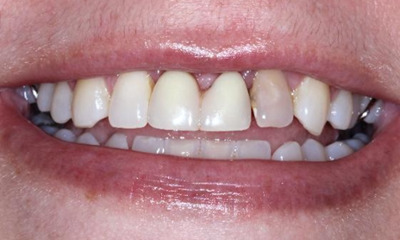
Cons of Implant-Supported Bridges

As with any other tooth replacement, there are a few drawbacks patients should be aware of. Cons of implant-supported bridges can include:

  • It's more invasive and expensive procedure compared to traditional dental bridges. 
  • The healing process can take several months. 
  • There's risks of implant failure or infection. 
  • Patients need adequate jawbone density and good overall oral health. 
  • This is not recommended for patients who have active periodontal disease, uncontrolled diabetes, or other medical conditions that may impact healing. 

Candidacy for Implant-Supported Bridges

To qualify for implant-supported bridges, you need adequate jawbone density and good overall oral health. Ideal candidates should also be non-smokers, as smoking can increase the risk of implant failure. An implant bridge isn’t recommended for patients who have active periodontal disease, uncontrolled diabetes, or other medical conditions that may impact healing.

Costs of Implant-Supported Bridges

Your cost will vary depending on various factors, including:

  • Number of Implants — The cost will depend on how many dental implants are needed to support the bridge. Typically, each missing tooth that needs to be replaced with an implant-supported bridge requires an individual implant. The more implants required, the higher the cost.
  • Type of Material — The materials used for the bridge can affect the cost. Options include porcelain, zirconia, or a combination of materials. High-quality materials may be more expensive but can also offer better aesthetics and durability.
  • Geographic Location — The cost of dental procedures can vary significantly depending on where you live. Dental services tend to be more expensive in urban areas and regions with a higher cost of living.
  • Dentist’s Experience — The experience and expertise of the dentist or oral surgeon performing the procedure can impact the cost. More experienced professionals may charge higher fees.
  • Additional Procedures — Sometimes, patients may require additional procedures before or during implant placement, such as bone grafting or sinus lifts. These procedures can add to the overall cost.

Implant-Supported Bridges Technology

Digital Impressions

Digital Impressions

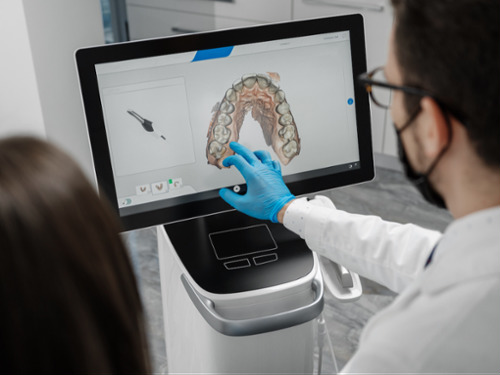
Digital impressions use a handheld intraoral scanner to capture an exact 3-D model of your teeth in seconds, replacing the messy physical molds used in traditional impressions. Dr. Kauffman uses them for crowns, veneers, and implant planning. For you, this means a faster, more comfortable experience with no gag-inducing trays, and a more precise fit for whatever restoration is being made from that scan.

Frequently Asked Questions

How long do implant-supported bridges last?

Implant-supported bridges can last a lifetime, but their lifespan depends on factors such as the quality of the dental implant, the patient’s oral hygiene routine, and overall health. Regular dental checkups and cleanings must be scheduled to help increase the longevity of your implant bridge.

Is there an age limit for implant-supported bridges?

There’s no age limit for implant-supported bridges. However, implant bridges aren’t a treatment option normally recommended for patients whose jaws are still developing. Older patients may have a lower jawbone density, which can affect the success of the implant. In these cases, implant-supported bridges aren’t always the best treatment option for replacing missing teeth.

How many teeth can an implant bridge replace?

In general, an implant bridge can replace anywhere from two to six missing teeth in a row. If a patient has more than six missing teeth in a row, multiple dental implant-supported bridges or other tooth replacement options may be needed to restore their smile fully. The number of dental implants needed to support the bridge will also depend on the number of missing teeth being replaced.

Are Implant-Supported Bridges Right for You?

If you’re missing multiple teeth, it’s time to find a dentist with the best replacement treatment option. To learn more about dental implant-supported bridges, contact our Atlanta dentist. We’ll help you better understand your treatment options to better your oral health and improve your smile’s appearance.

Testimonial - Dr. Kauffman Testimonial - Tim