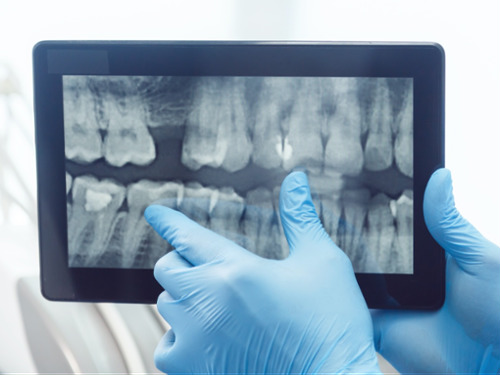
Glass ionomer fillings are a type of dental restorative material commonly used to repair decayed teeth, fill cavities, and even replace old fillings. This filling material is made from a combination of glass powder and an organic acid, such as polyacrylic acid, and is known for its ability to bond chemically to tooth structure.
To schedule your appointment at Thomas W. Kauffman, DDS, PC, and learn more about the types of dental fillings we offer, contact our dentist in Atlanta, GA, today by calling (404) 524-1981.
Types of Glass Ionomer Fillings
There are various types of glass ionomer fillings, including:
Conventional Glass Ionomer: Conventional glass ionomer fillings are self-cured and have been used for many years in dentistry. They’re suitable for various applications, including small to medium-sized cavities due to their chemical reactions, setting characteristics, and fluoride release properties.
Resin-Modified Glass Ionomer: Resin-modified glass ionomer fillings combine the benefits of traditional glass ionomers with resin-based materials, offering improved strength and aesthetics. They’re often preferred for restorations in visible areas. Resin composite materials enhance clinical performance by providing better flexural properties and surface protection.
Compomer (Composite-Glass Ionomer Hybrid): Compomers are a hybrid of composite resin and glass ionomer materials. They provide better aesthetics than traditional glass ionomers and are used for small to medium-sized cavities.
Glass Ionomer Fillings Uses
Glass ionomer fillings may be recommended by your dentist:
Small to Medium-Sized Cavities: Glass ionomer fillings are particularly suitable for repairing small to medium-sized cavities in both adult and pediatric patients.
Root Surface Cavities: They can be used on root surfaces to treat cavities caused by gum recession or root exposure.
Pediatric Dentistry: Glass ionomer fillings are commonly used in pediatric dentistry due to their fluoride-releasing properties and ease of application.
Non-Stress-Bearing Areas: They’re ideal for non-stress-bearing areas of the mouth, such as the front teeth and some premolars.
Glass ionomer cements are also recognized as effective permanent filling materials in various dental restorations, highlighting their clinical relevance and future trends compared to other dental materials.
Advantages and Disadvantages of Glass Ionomer Fillings and Dental Materials
Advantages
Natural appearance and translucency
Fluoride release, aiding in cavity prevention
Minimal tooth preparation is required
Suitable for non-stress-bearing areas
Biocompatible and well-tolerated by tissues
Compared to other restorative materials, glass ionomer fillings offer unique benefits such as fluoride release and biocompatibility
Disadvantages
Limited durability compared to some alternatives
Sensitive to moisture during placement
Weaker than materials like amalgam
Aesthetic limitations in highly visible areas
Glass ionomer cements, while useful for their fluoride release and chemical bonding to dentin, also share these limitations.
The Glass Ionomer Filling Procedure and Tooth Structure
The glass ionomer filling procedure begins with a thorough dental examination and diagnosis, followed by tooth preparation and dental sedation to ensure comfort. The decayed portions of the tooth are removed, and the glass ionomer material is mixed and applied to fill the cavity, bonding directly with the tooth surface to provide additional support. Optional light curing can be used to enhance durability.
After shaping and polishing the filling for a natural appearance, patients are advised on oral hygiene and dietary precautions. Regular follow-up appointments may be scheduled to maintain the filling’s integrity. Glass ionomer fillings are favored for their fluoride-releasing properties and suitability for certain dental applications.
Costs
Glass ionomer fillings are typically less expensive than composite fillings but more expensive than amalgam fillings. Factors that will influence the total cost include the size and location of the cavity and your dental insurance coverage.
Frequently Asked Questions
How long do glass ionomer fillings last?
They have a moderate lifespan, typically lasting around 5 to 10 years. However, their longevity can vary depending on factors like the location of the filling, oral hygiene practices, and the type of glass ionomer material used.
Are glass ionomer fillings safe?
Yes, glass ionomer fillings are generally considered safe for dental use. They’re biocompatible, which means they’re well-tolerated by the body. Additionally, they release fluoride, which can help prevent tooth decay.
Contact Dr. Thomas Kauffman Today to Learn About Your Options
Ready to say goodbye to tooth decay? Contact Thomas W. Kauffman, DDS, PC today to learn more about your dental filling options. To schedule a consultation, call Dr. Thomas Kauffman, a top-rated dentist in Atlanta, at (404) 524-1981.
Glass ionomer fillings are a popular choice in restorative dentistry due to their unique properties. They are made from a blend of glass powder and an organic acid, allowing for a strong chemical bond with the tooth structure. This bond is particularly beneficial in situations where traditional composite fillings may not adhere as effectively, making glass ionomer an excellent option for certain dental applications.
These fillings are often used in areas that do not experience significant chewing pressure, such as in pediatric dentistry for children’s teeth, where they can provide effective decay prevention through fluoride release. Their versatility makes them suitable for both anterior and posterior teeth, providing a natural appearance while also promoting dental health.
Comparing Glass Ionomer Fillings to Other Dental Materials
When considering dental restorative options, it’s essential to compare glass ionomer fillings with other materials like amalgam and composite resins. Glass ionomer offers distinct advantages, such as fluoride release, which helps to prevent further decay, while amalgam is known for its durability and strength in high-stress areas.
Composite resins, on the other hand, provide excellent aesthetics and can be color-matched to the natural tooth. However, they may require more extensive tooth preparation and do not release fluoride. Understanding these differences can help patients make informed decisions about the best filling material for their specific dental needs.
Long-Term Care for Glass Ionomer Fillings
Proper care and maintenance of glass ionomer fillings can significantly influence their longevity and effectiveness. Regular dental check-ups are crucial, as they allow dentists to monitor the condition of the fillings and address any potential issues early on. Patients should maintain good oral hygiene practices, including brushing and flossing, to support the health of both the fillings and surrounding teeth.
Moreover, avoiding excessive pressure on the filled teeth, such as grinding or clenching, can help prolong the lifespan of glass ionomer fillings. Patients should also be mindful of their diet, as acidic foods and beverages can affect the integrity of the filling material over time.
Patient Experiences and Testimonials
Hearing from other patients can provide valuable insights into the effectiveness and comfort of glass ionomer fillings. Many patients appreciate the quick procedure and the minimal discomfort associated with their placement. Testimonials often highlight the aesthetic benefits, especially in visible areas, where glass ionomer fillings blend seamlessly with natural teeth.
Additionally, patients frequently mention the peace of mind that comes from the fluoride release properties, which contribute to ongoing dental health. Sharing these experiences can help prospective patients feel more confident in choosing glass ionomer fillings as a restorative option.
Understanding Glass Ionomer Fillings
Glass ionomer fillings are a popular choice in restorative dentistry due to their unique properties. They are made from a blend of glass powder and an organic acid, allowing for a strong chemical bond with the tooth structure. This bond is particularly beneficial in situations where traditional composite fillings may not adhere as effectively, making glass ionomer an excellent option for certain dental applications.
These fillings are often used in areas that do not experience significant chewing pressure, such as in pediatric dentistry for children’s teeth, where they can provide effective decay prevention through fluoride release. Their versatility makes them suitable for both anterior and posterior teeth, providing a natural appearance while also promoting dental health.
Comparing Glass Ionomer Fillings to Other Dental Materials
When considering dental restorative options, it’s essential to compare glass ionomer fillings with other materials like amalgam and composite resins. Glass ionomer offers distinct advantages, such as fluoride release, which helps to prevent further decay, while amalgam is known for its durability and strength in high-stress areas.
Composite resins, on the other hand, provide excellent aesthetics and can be color-matched to the natural tooth. However, they may require more extensive tooth preparation and do not release fluoride. Understanding these differences can help patients make informed decisions about the best filling material for their specific dental needs.
Long-Term Care for Glass Ionomer Fillings
Proper care and maintenance of glass ionomer fillings can significantly influence their longevity and effectiveness. Regular dental check-ups are crucial, as they allow dentists to monitor the condition of the fillings and address any potential issues early on. Patients should maintain good oral hygiene practices, including brushing and flossing, to support the health of both the fillings and surrounding teeth.
Moreover, avoiding excessive pressure on the filled teeth, such as grinding or clenching, can help prolong the lifespan of glass ionomer fillings. Patients should also be mindful of their diet, as acidic foods and beverages can affect the integrity of the filling material over time.
Patient Experiences and Testimonials
Hearing from other patients can provide valuable insights into the effectiveness and comfort of glass ionomer fillings. Many patients appreciate the quick procedure and the minimal discomfort associated with their placement. Testimonials often highlight the aesthetic benefits, especially in visible areas, where glass ionomer fillings blend seamlessly with natural teeth.
Additionally, patients frequently mention the peace of mind that comes from the fluoride release properties, which contribute to ongoing dental health. Sharing these experiences can help prospective patients feel more confident in choosing glass ionomer fillings as a restorative option.